Yosemite National Park
Yosemite National Park is the reason our family holiday to the States in 2025 panned out the way it did. After we’d flown to San Francisco from New York, and spent 5 days exploring the city, the choice was to drive south to Los Angeles or to head east to the Sierra Nevada. Los Angeles has never appealed to me and I certainly wasn’t prepared to spend a large chunk of my holiday sitting in traffic. Visiting Yosemite, however, was right at the top of our list of ‘must do’ things. And so we decided to drive east and explore the landscapes and geology of California, Nevada and Arizona.
Given that we had a packed itinerary beyond Yosemite, we opted for a brief one-day visit in the middle of two nights at the amazing Autocamp site nearby. The drive to the Park’s Arch Rock Entrance takes about 30 minutes on CA140 and follows the meandering Merced River. With our vehicle reservation scanned at Arch Rock, and the necessary $35 vehicle entrance fee paid, we drove the remaining 20 minutes or so to Yosemite Village - the furthest into the Park’s valley that you can drive.
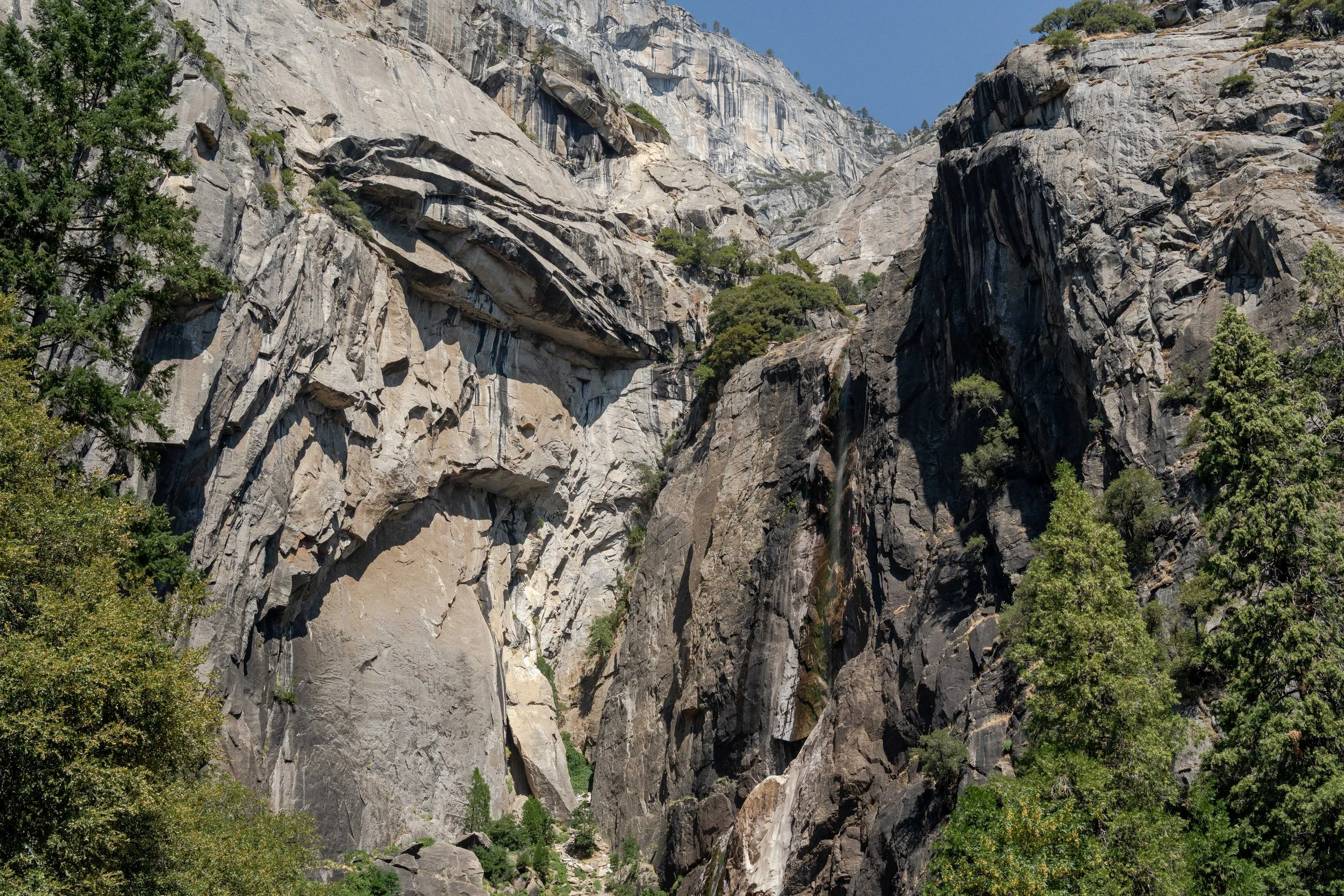
Yosemite is famous for its enormous granite edifices, cascading waterfalls (although we visited in the height of Summer and the meltwater that feeds them had long-since dried up) and stunning scenery. Culturally, however, the Park is synonymous with legendary landscape photographer Ansel Adams. Indeed, such is the connection between the two that there is an Ansel Adams Gallery right in the middle of the Village - and so this was my first port of call. I’ve been fascinated by Ansel’s work for years and seeing it whilst actually standing in his famed subject felt somewhat surreal.
As far as I am concerned he was a (if not the) master black and white photographer. Yosemite is a landscape dominated by contrasts in light. As an overall scene, the wooded glades at ground level provide deep, dark shadows whilst the towering granite rock faces glint in the sunlight and offer up more subtle tones in their shadows. In the hazy morning light there is a blue hue draped across the landscape. Much of my admiration for Ansel’s work is rooted in how he illustrated the rather ‘contrasty’ scenes with such aplomb. Perhaps the success of his work lay instead in its composition? This suggestion came up during my conversation with one of the Gallery employees and it’s a pertinent one. Compositions that involve very bold, graphic shapes and negative space, are something I am naturally drawn to - as I’ve critiqued my own work over the years I’ve noticed it’s a recurring theme - and Ansel Adams’ work is full of such visual arrangements. Perhaps that’s why I’ve long-admired his photographs.
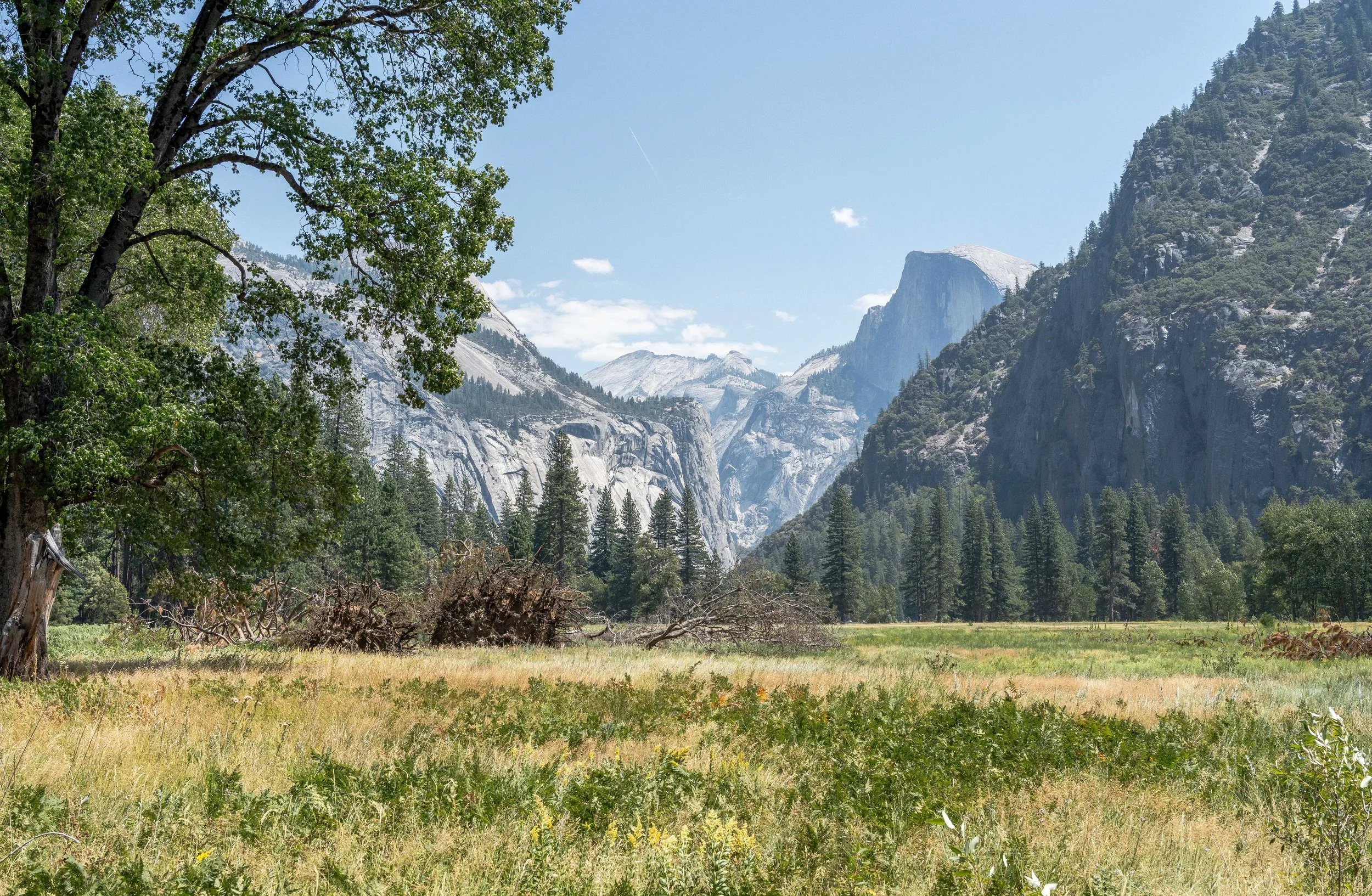
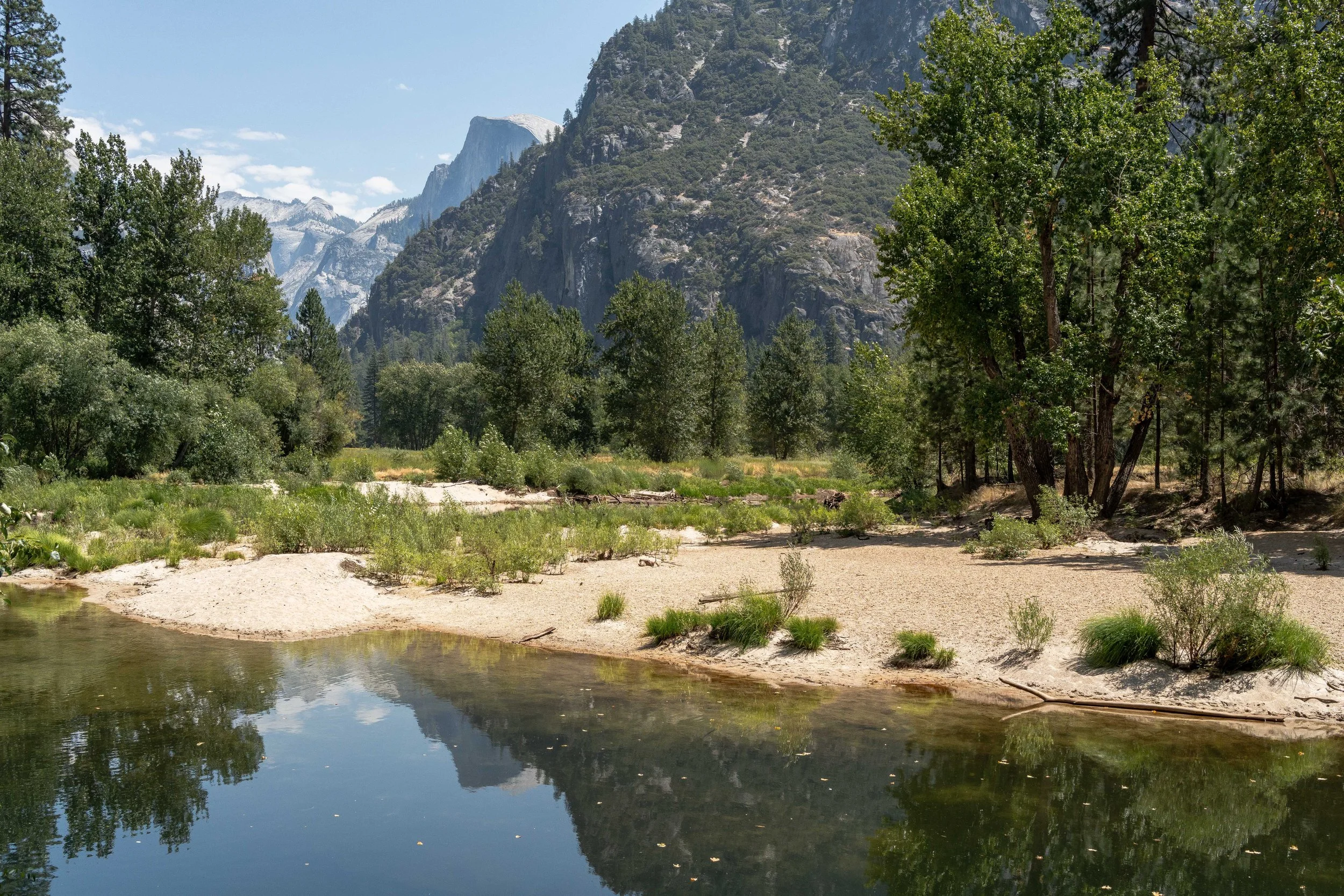
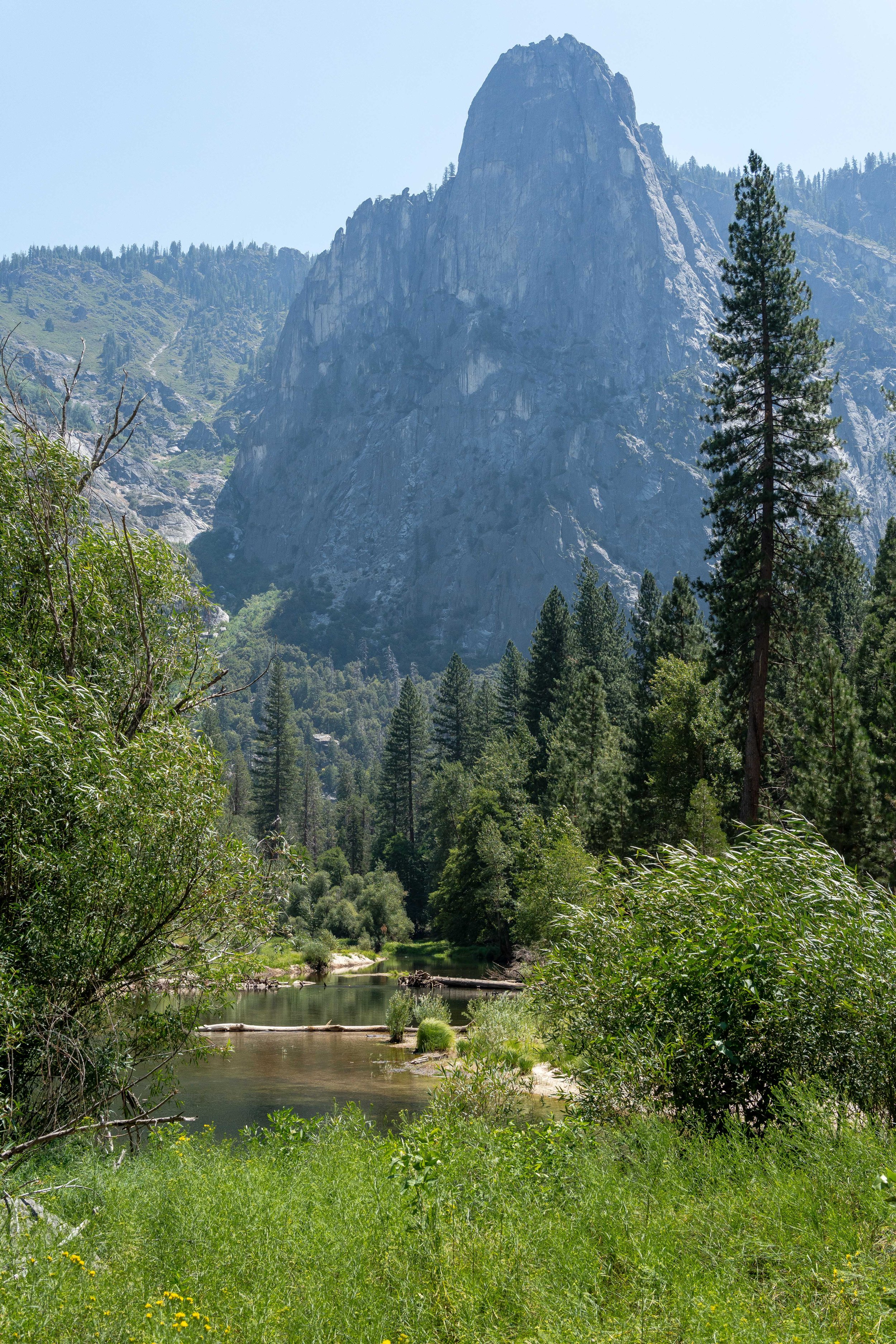
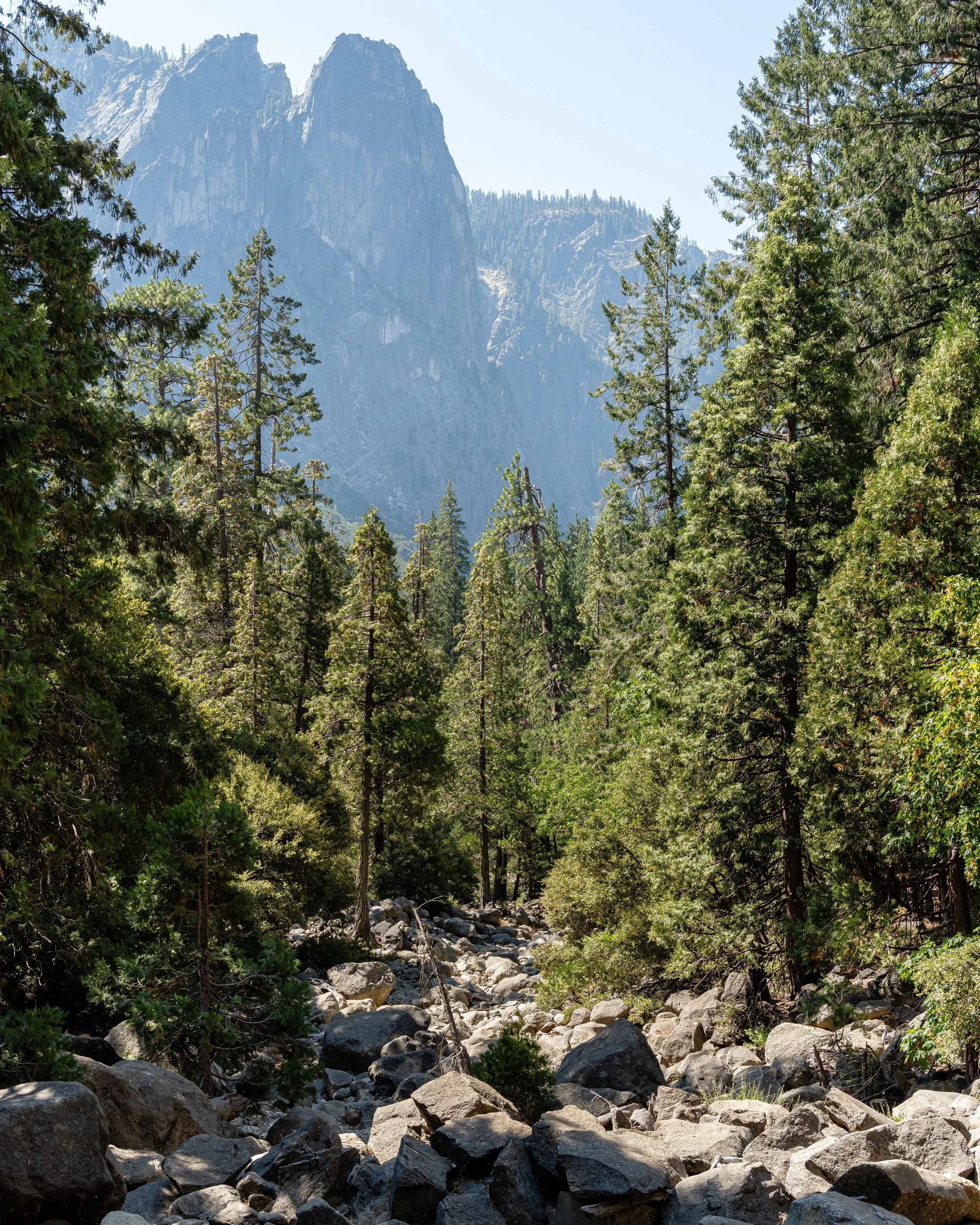
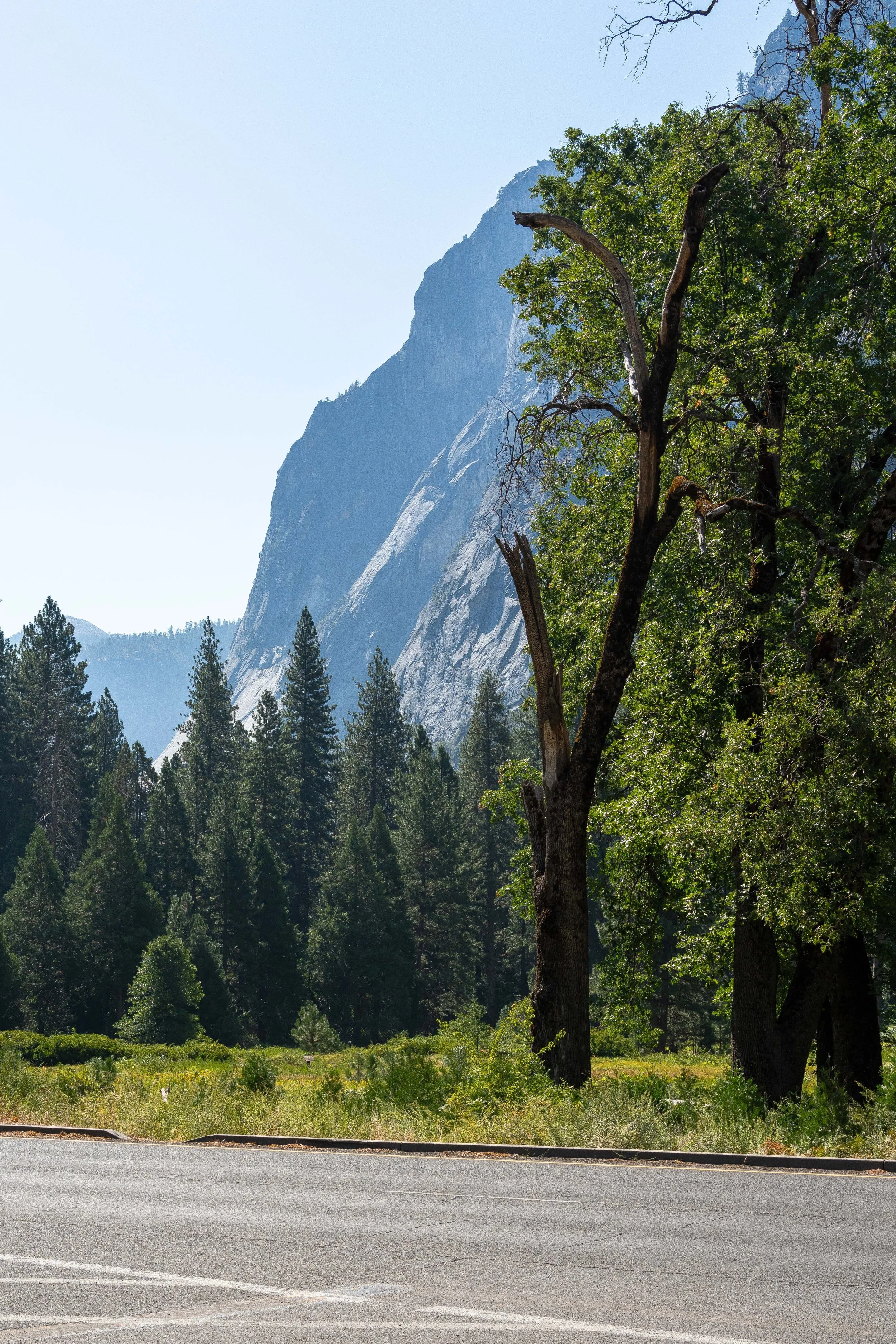
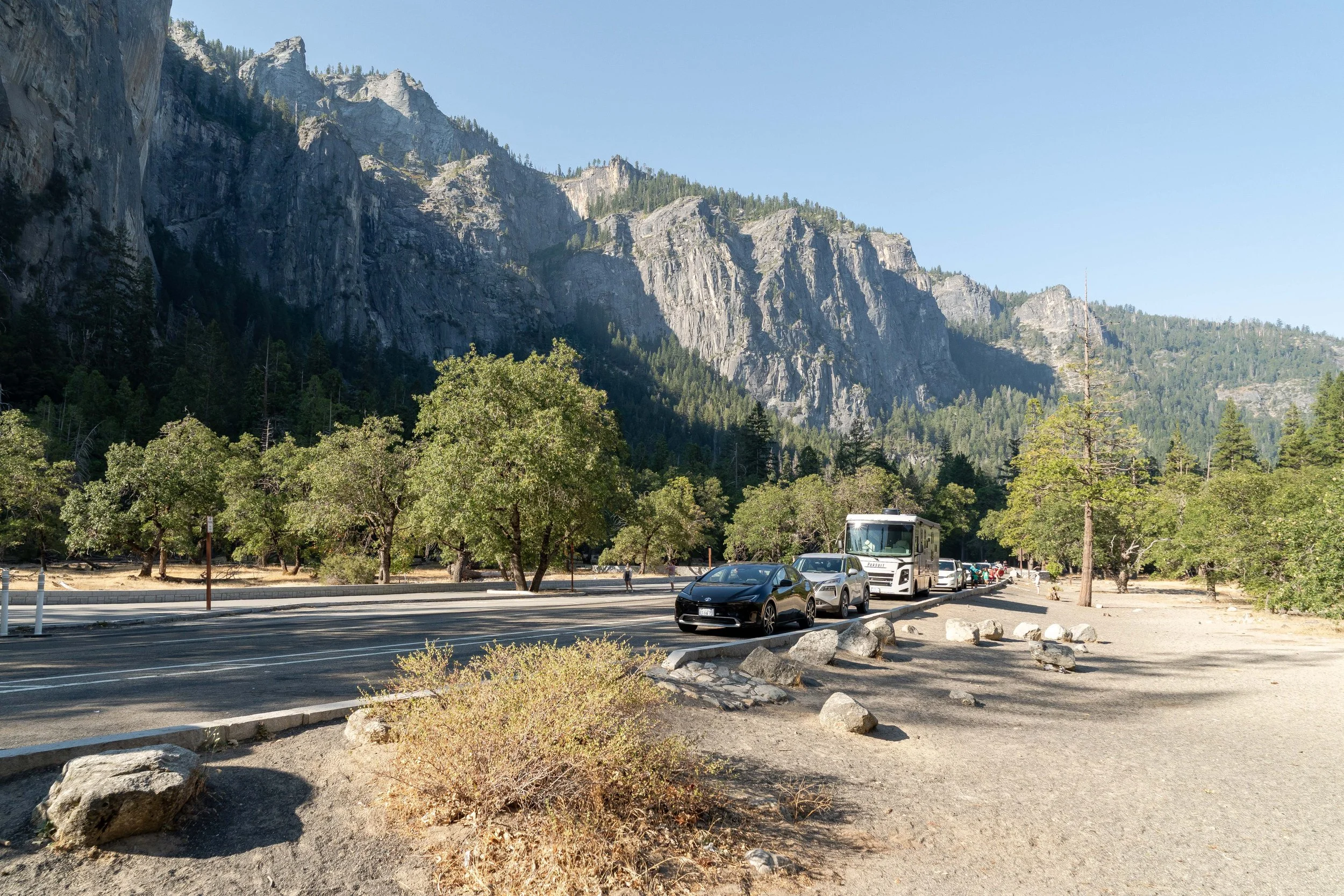
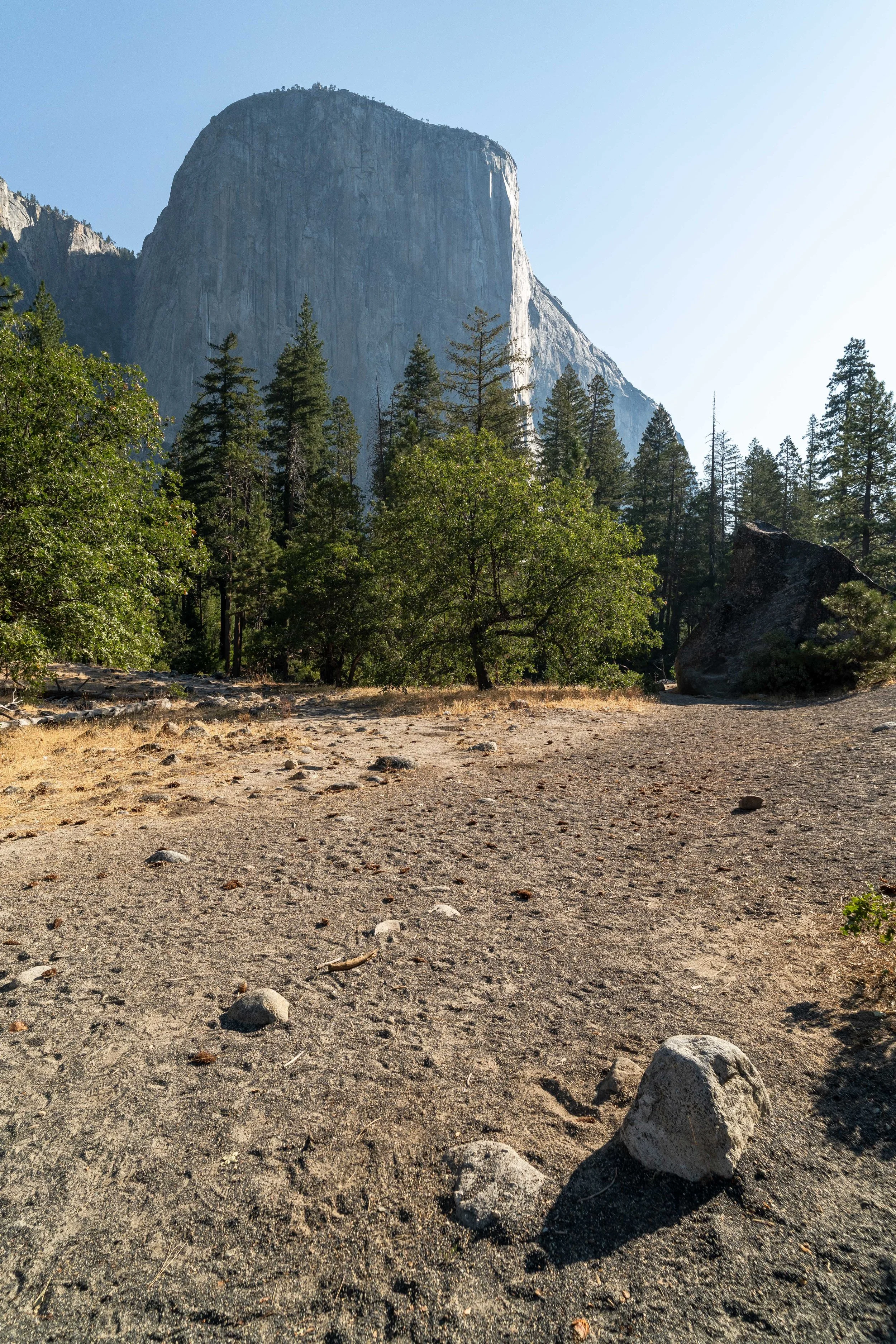
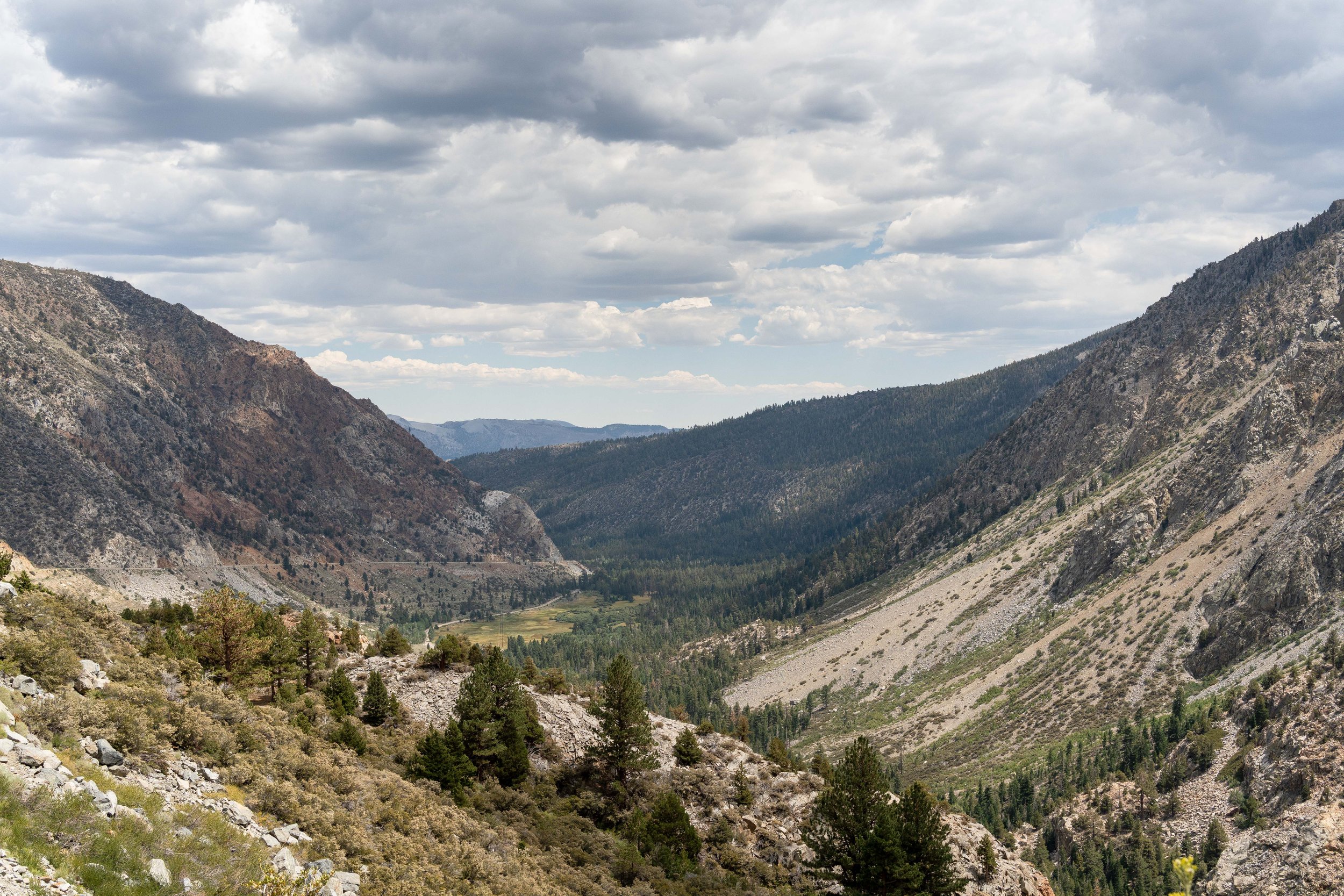
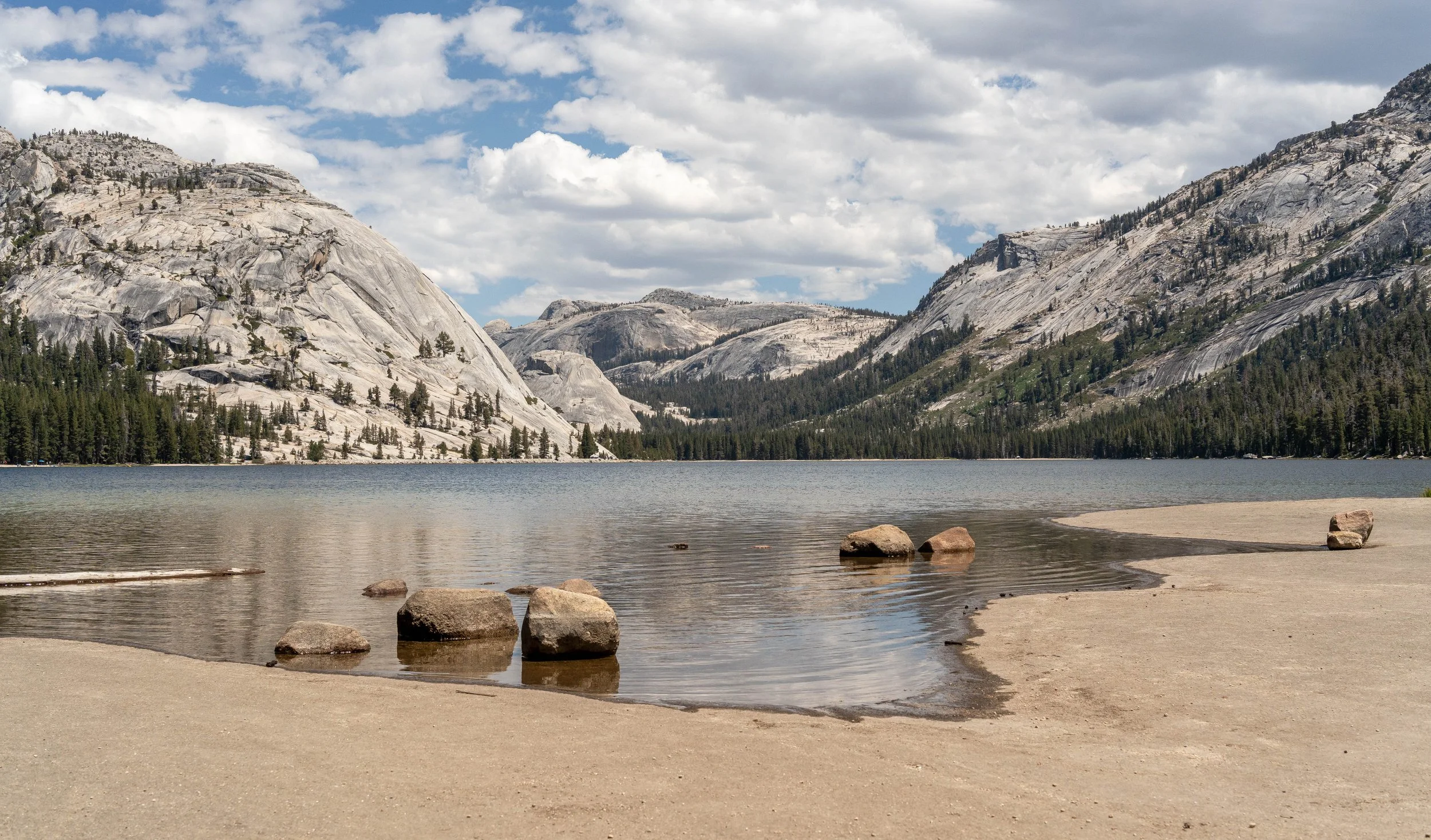
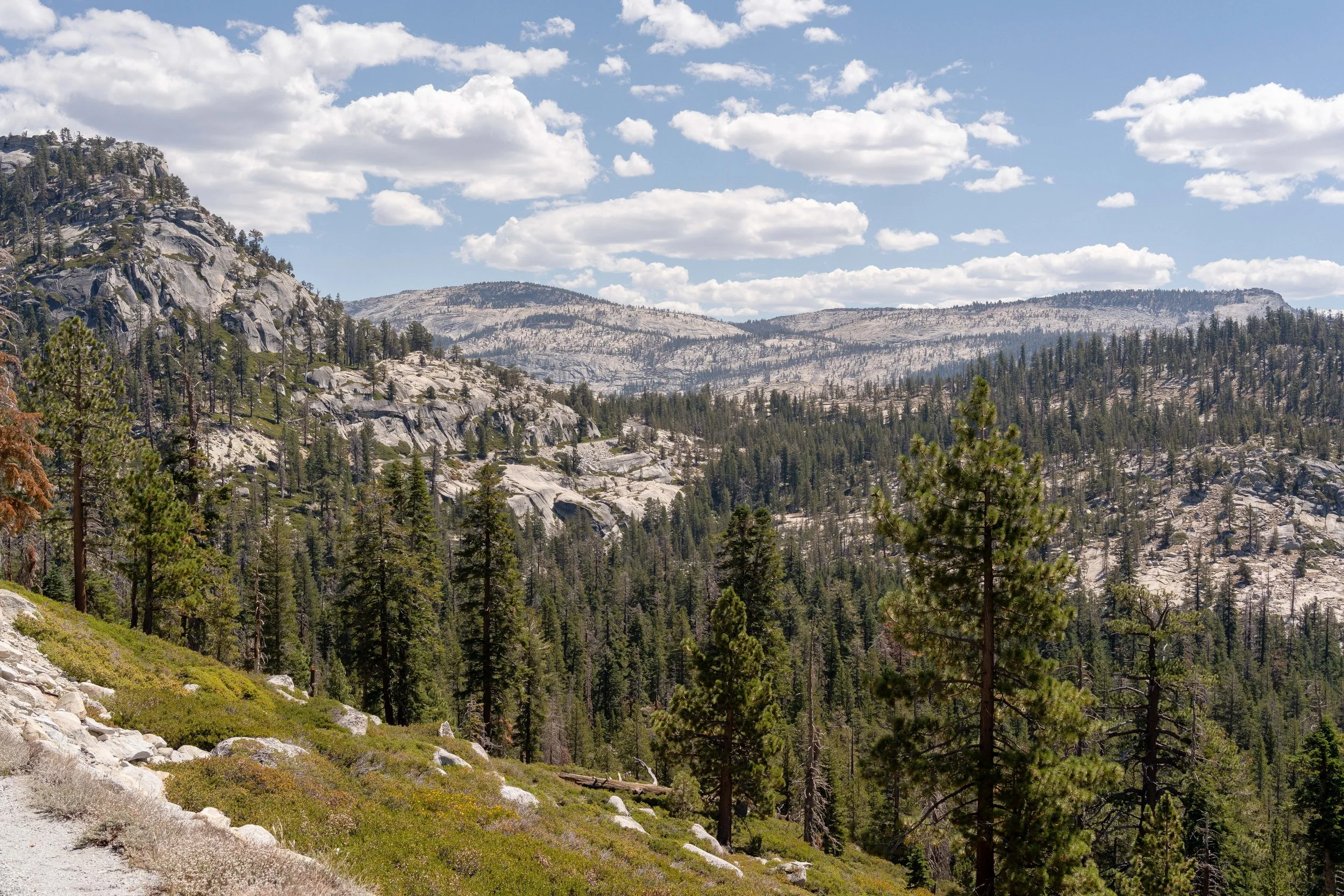
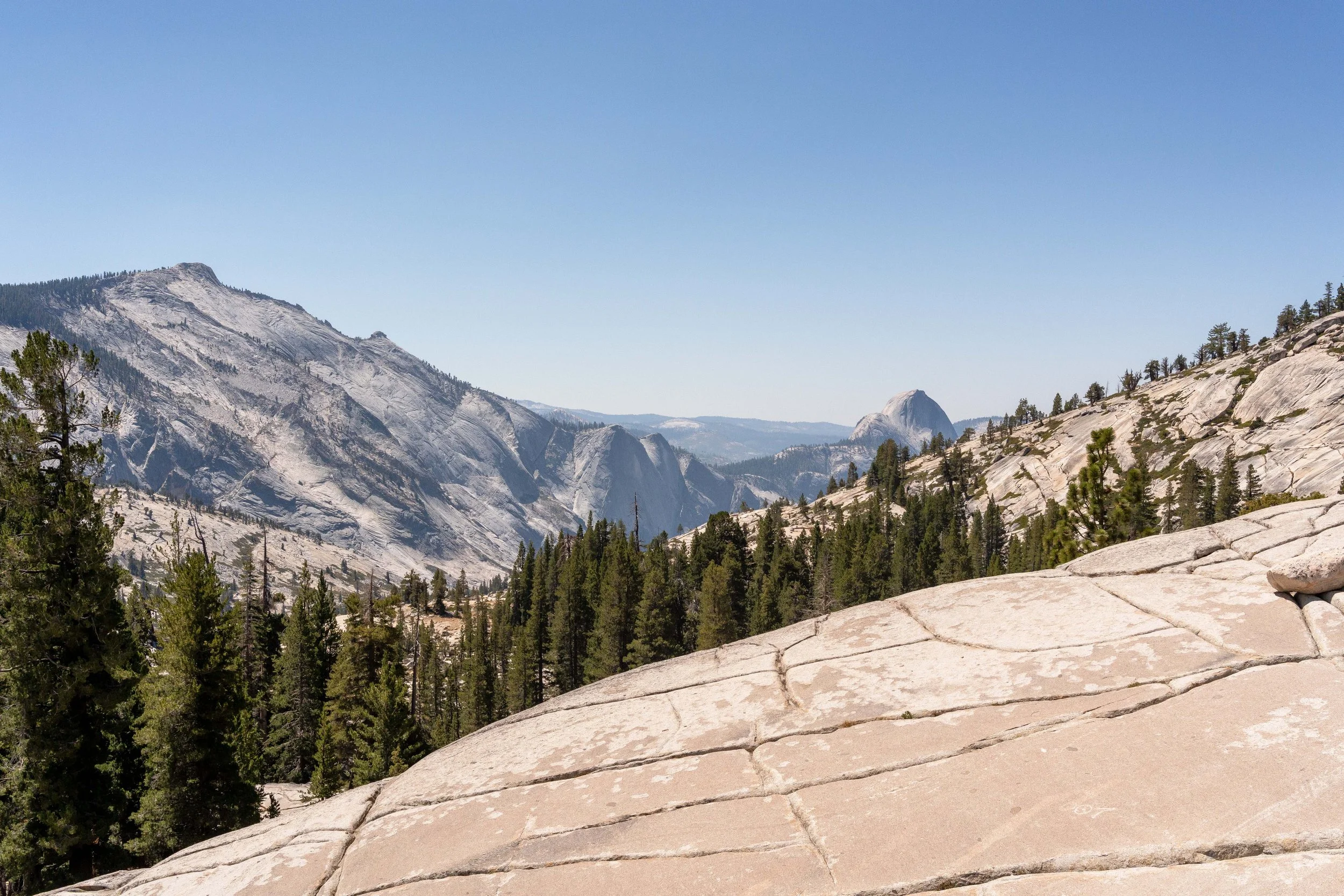
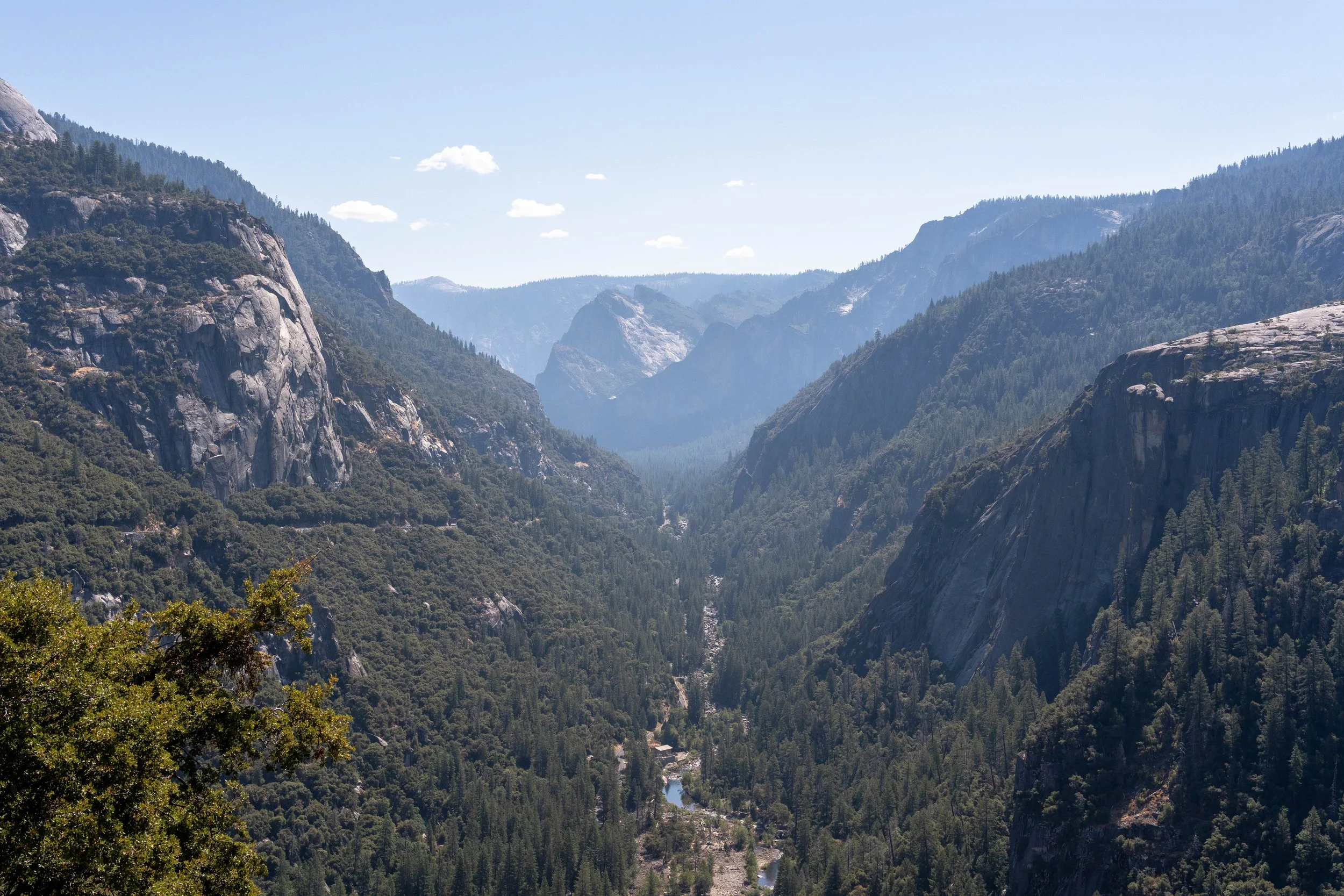
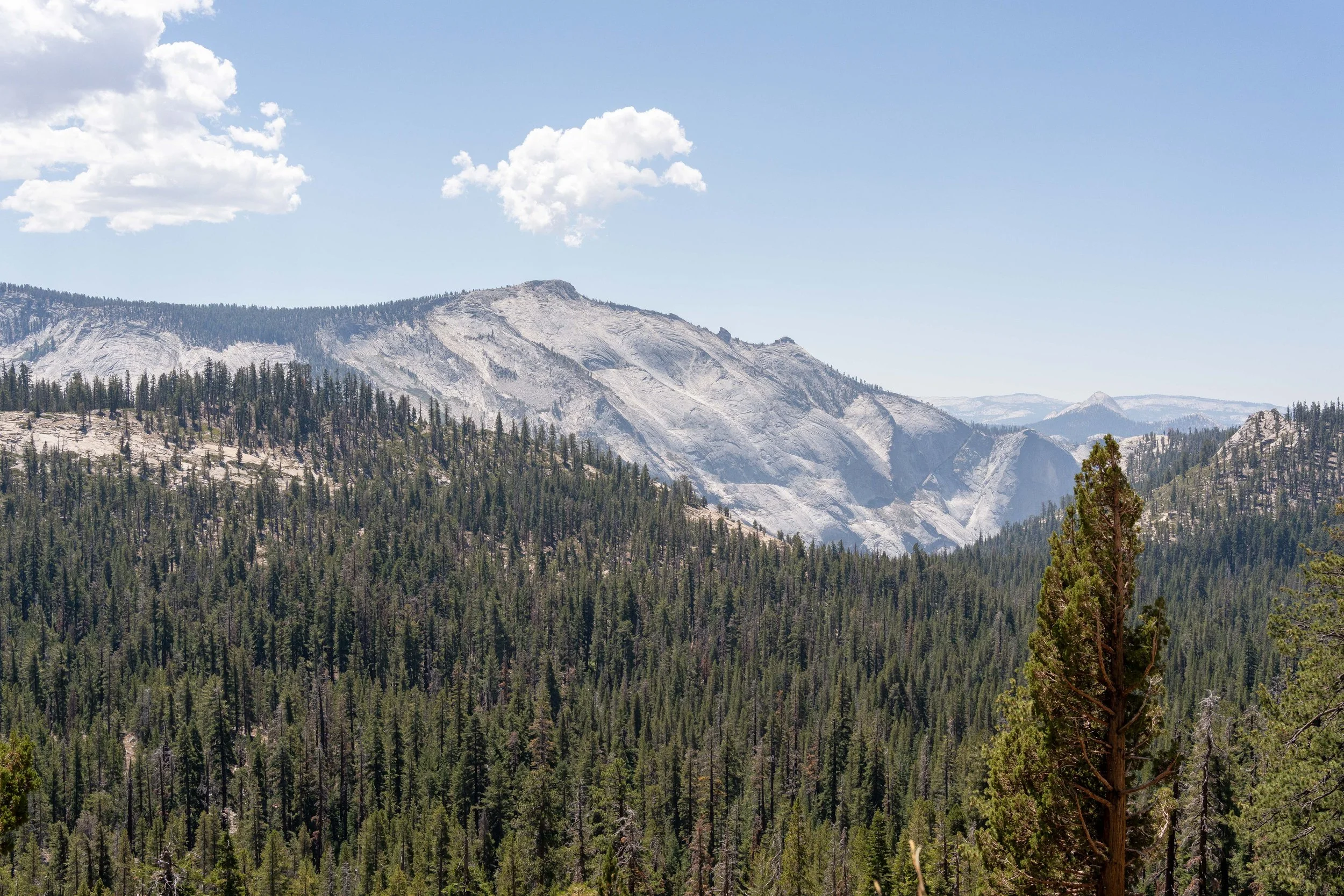
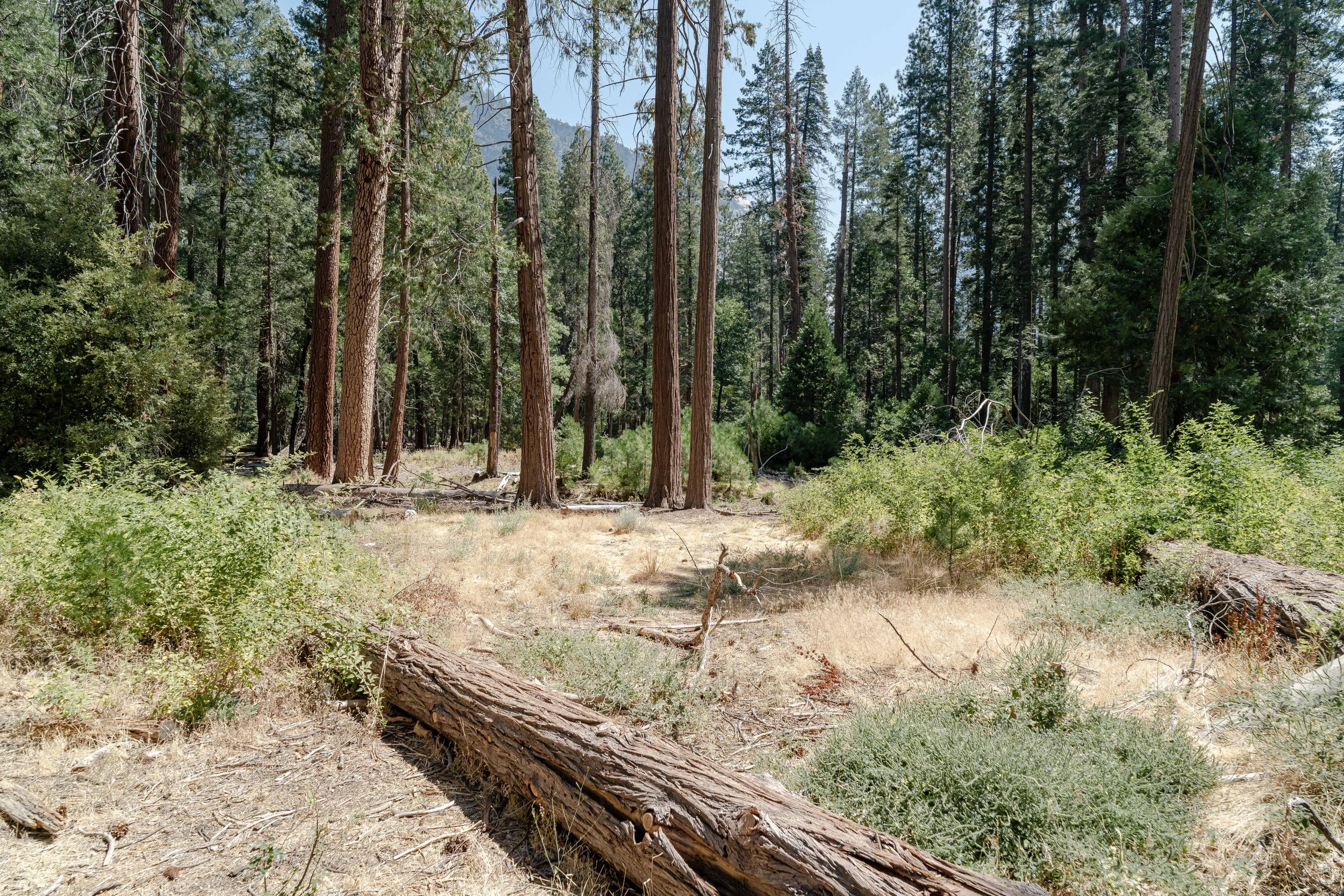
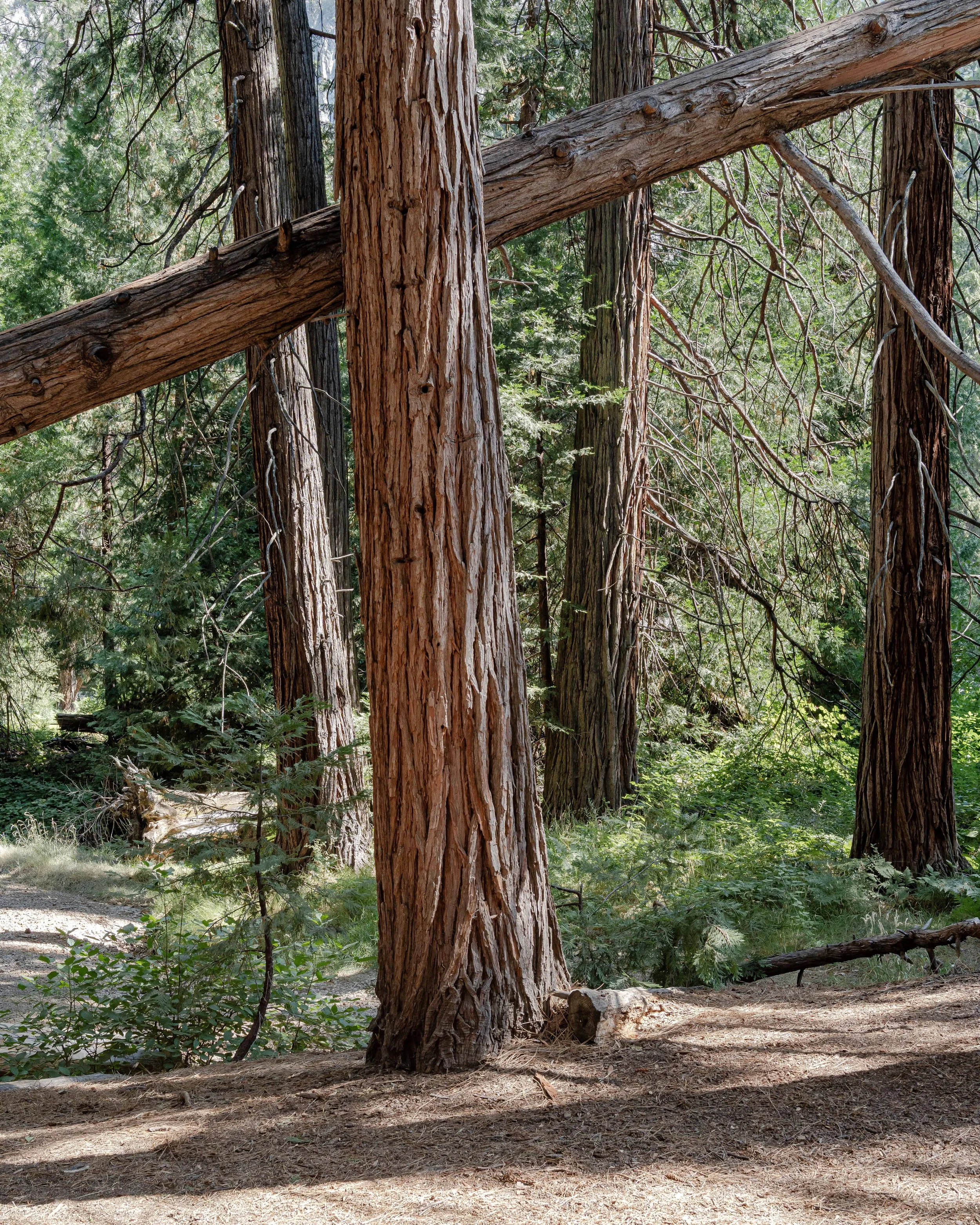
We spent a few hours hiking west to El Capitan Meadow and the views back towards Half Dome were breathtaking. I had nothing but a camera and prime lens around my neck so the photographs below are merely ‘snaps’ when compared to how I’d approach things with all the time in the world - and possibly even after-thoughts when compared to Ansel’s work! The ‘loftier’ views are from the Tioga Road - a 2 hour drive around the North side of the Valley towards Mammoth Lakes; we did this the next day on our way further into the Sierra Nevada. It’s a fantastic twisty drive that is only open during the Summer months and affords views of Half Dome and the valley from the ‘other end’. Tenaya Lake and Olmsted Point are stunning places where we stopped and I was able to spend more time pondering on the life of Ansel Adams and how he carried that View Camera through these landscapes!